


April 20, 2022
Share this postHow Much Does It Cost To Run The Pumps On My Site?
There’s no denying that pumps are expensive to run, but the costs of operating pumps depends on a few different factors:
– Number and size of buildings on your site
– Number of people in the building
– Age of site
– Local or district heating
– Mains or boosted supply
– Number and size of pumps on site
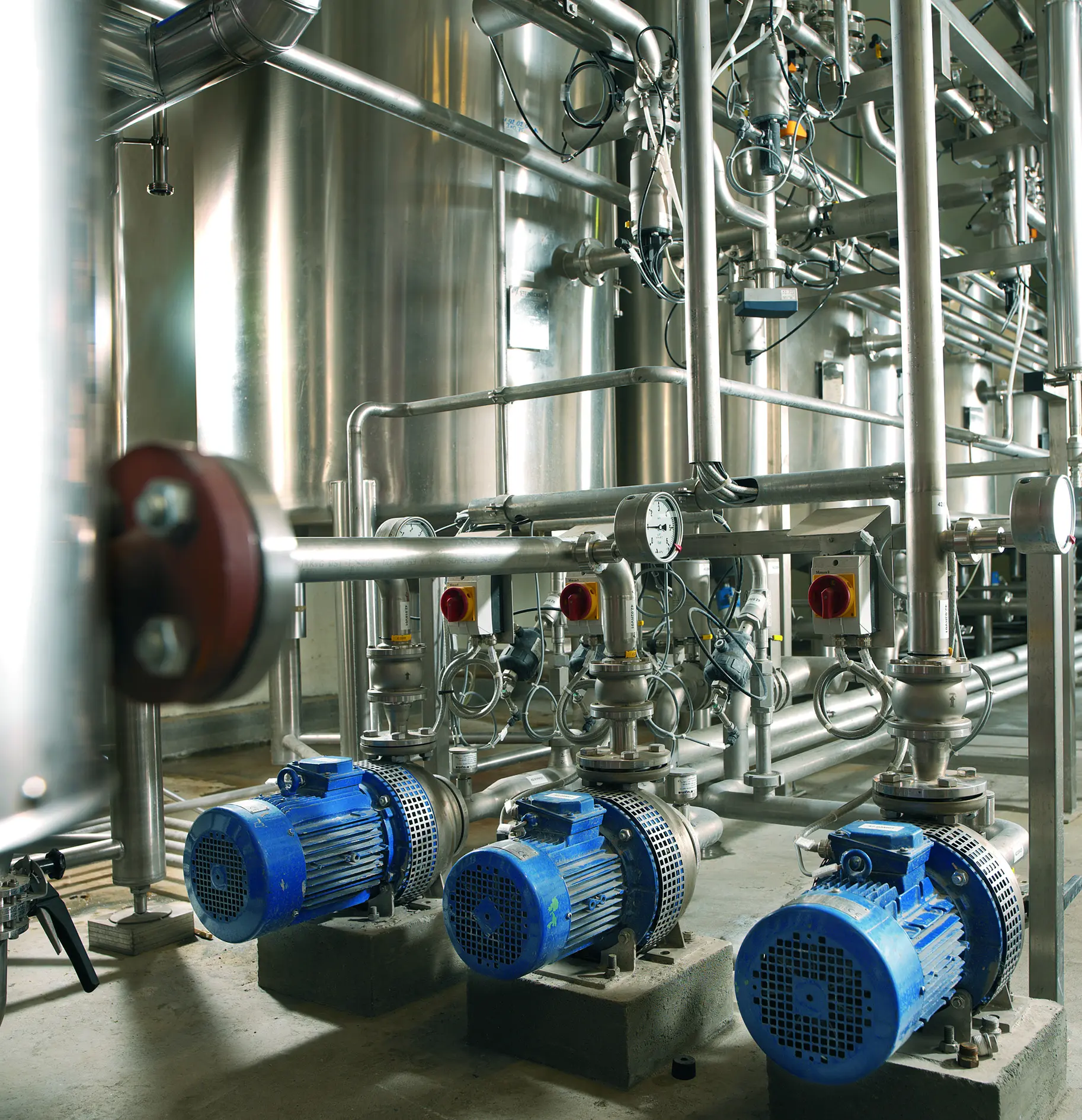
As the above are not quantifiable metrics, we put together a client case study to help better understand running costs.
Our client, an NHS hospital, has approximately 250 beds and is run by district heating. Supplying the hospital is a cold water booster set. The buildings are old, some of which were constructed in the late 1800’s, and the pumps are spread across about 10 buildings.
There’s a total of approximately 70 Pumps on site, varying from 0.1KW to 37KW pumps.
The total kw/h used per year on site is 620,000. With the average price of electricity heading towards 28p per kilowatt in 2022, this is costing the hospital more than £124,000 per year in running costs alone.
Do different establishments cost different amounts to run?
There is a significant difference in running a manufacturing plant compared to a university or hospital.
The cost to run manufacturing plants varies depending on both the process that they are running, and of course the amount of pumps that are required on the site. From our experience, operating public buildings like hospitals, universities or prisons, tend to bear similar running costs.
How can I accurately work out my running costs?
The only way to accurately work out the running costs of your site is to survey all of the pumps, work out their running hours and then calculate: total KW/h used X cost per KW/h. Try our energy savings calculator – click here
Dura Pump can support you by providing a free energy audit and identify where the most costly pumps are and where the maximum savings can be made.
Larger or more numerous buildings increase the total demand for water, heating, or cooling. This affects the required flow rate, pressure, and distribution complexity. Pumps must be correctly sized and possibly zoned to ensure consistent performance across all buildings.
More people means higher demand for water and greater heating/cooling loads. Pumps must handle peak demand periods without pressure drops or system strain, otherwise users may experience poor service or system inefficiencies.
Older sites may have outdated pipework, inefficient layouts, or legacy systems that affect flow and pressure. This can increase friction losses and require pumps to work harder, leading to higher energy use and maintenance needs.
District heating systems often require pumps to operate over longer distances and maintain consistent flow across multiple buildings. This demands precise control and reliability. Local systems may be simpler but still require correct pump sizing for efficiency.
If mains pressure is insufficient, booster pumps are needed to maintain adequate pressure. The system design must account for incoming pressure variability and ensure pumps can compensate without over-pressurising the system or wasting energy.
Having the right number and size of pumps ensures redundancy, efficiency, and flexibility. Multiple smaller pumps can handle variable demand more efficiently than one large pump, and provide backup in case of failure. Oversized or undersized pumps can lead to energy waste or poor performance.
Want to stay up-to-date with the latest news?
Subscribe to our mailing list to hear the latest news, events, free resources, and more for your industry.
Choosing Dura Pump means investing in reliability and safety for your facility. Talk to an expert about your needs