


June 15, 2023
Share this postHow managed estates could reduce pump energy bills by up to 50%
Energy costs have become one of the biggest operational pressures facing managed estates. Whether in hospitals, prisons, universities, or large public facilities, estates teams are being asked to reduce costs while maintaining essential services. One often overlooked area with huge potential for savings is pumping systems.

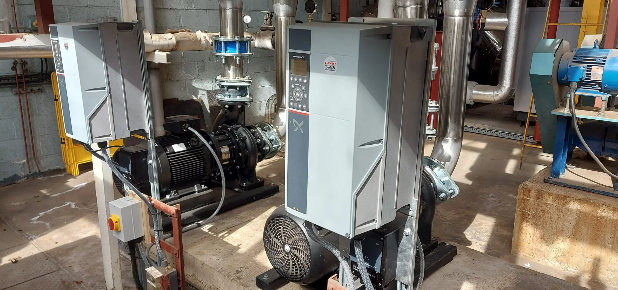
Pumps power many of the critical services that keep complex buildings running, from heating and cooling systems to water supply, wastewater management, and circulation systems. Yet in many estates, their energy performance hasn’t been reviewed for years.
With electricity prices remaining volatile, improving pump efficiency could be one of the fastest and most practical ways to reduce energy use across an estate.
Globally, pumps account for around 20% of electricity consumption across industrial and commercial sectors and in many facilities, they can represent 30–40% of a site’s electricity usage, particularly where water movement, heating, cooling and circulation are critical to daily operations.
Despite this, pumps are often treated as background equipment, installed and maintained when necessary, but rarely optimised.
The result is that many estates are unknowingly operating systems that consume far more energy than necessary.
Why Hospitals and Prisons Are Especially Impacted
Certain environments rely heavily on pumping infrastructure to maintain safe and compliant operations.
Hospitals
Hospitals operate 24/7 and depend on pumps to support:
- HVAC and chilled water systems
- Heating distribution
- Hot and cold water
- Medical water systems
- Wastewater management
These systems must run reliably and continuously, which means inefficient pumps can lead to large and ongoing energy costs.
Prisons
Similarly, prisons function as self-contained communities with high infrastructure demands. Pumps are required for:
- Water supply and pressure management
- Heating systems across multiple buildings
- Drainage and wastewater systems
- Fire protection infrastructure
Because many prison estates consist of older infrastructure, pumps are often oversized, outdated, or running outside their best efficiency range, leading to unnecessary energy consumption.
The Opportunity: Efficiency Improvements of 20–50%
The encouraging news is that pumping systems present a major opportunity for improvement. Studies suggest that 20–50% energy savings are achievable through optimisation, better system design, and more efficient equipment.
Common inefficiencies include:
- Oversized pumps installed with large safety margins
- Pumps operating far from their best efficiency point (BEP)
- Systems running continuously when demand is variable
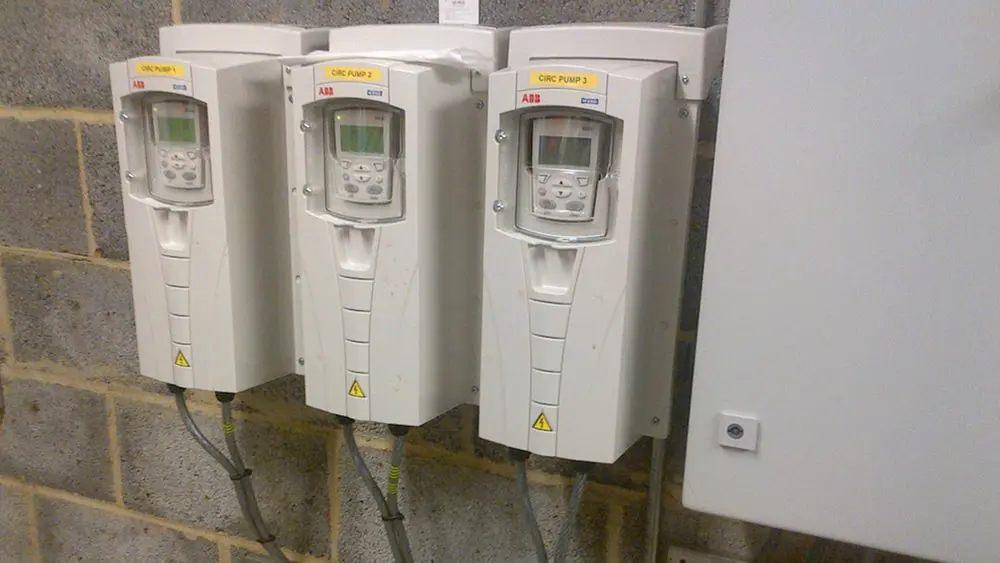
- Outdated motors without modern controls such as variable speed drives
Even small change, such as resizing pumps, improving controls, or upgrading motors, can deliver measurable energy savings.
Looking Beyond Purchase Cost
One of the key reasons pump efficiency is often overlooked is that the initial purchase cost is only a small portion of a pump’s lifetime expense.
In fact, the majority of the total lifecycle cost comes from electricity consumption, which can represent 50–90% of the overall cost of running a pump system.
This means that even modest efficiency improvements can deliver substantial financial savings over time.
Efficiency Also Supports Sustainability Targets
For many public sector estates, energy reduction isn’t just about cost—it’s about sustainability and compliance.
More efficient pumps can help estates:
- Reduce carbon emissions
- Meet sustainability targets
- Support government energy reduction strategies
- Improve overall building performance
Given the scale of energy consumed by pumping systems globally, they represent one of the most practical opportunities to reduce energy demand in large facilities
A Practical Starting Point for Estates Teams
Improving pump efficiency doesn’t necessarily require a complete system overhaul. Estates teams can begin with simple steps:
- Conduct a pump system audit to identify inefficiencies
- Review pumps operating outside their best efficiency point
- Evaluate opportunities for variable speed drives or modern controls
- Replace ageing pumps with high-efficiency models where appropriate
- Ensure systems are properly sized for actual demand
In large estates such as hospitals and prisons, even small improvements across multiple pumping systems can result in significant cumulative savings.
The Bottom Line
As energy costs continue to rise, managed estates cannot afford to ignore the energy performance of their infrastructure. Pumps may operate quietly in the background, but they are often among the largest energy consumers in a facility. By reviewing and optimising these systems, estates teams can unlock meaningful energy savings, reduce operational costs and support sustainability goals, without compromising reliability or performance.
For hospitals, prisons, and other critical environments, improving pump efficiency is not just an engineering exercise. It’s a practical step toward building more resilient, cost-effective estates.
Want to stay up-to-date with the latest news?
Subscribe to our mailing list to hear the latest news, events, free resources, and more for your industry.
Gallery

Choosing Dura Pump means investing in reliability and safety for your facility. Talk to an expert about your needs