


November 10, 2025
Share this postInspection vs. Servicing: Understanding Your Cold-Water Pressure Vessel Needs
To ensure safety, reliability and compliance cold-water pressure vessels require both inspection and servicing. These two terms are often confused but have two very different purposes.
Understanding the difference between inspection and servicing and making sure both are completed, is important for responsible facility management. This will deliver safety and compliance while preventing costly downtime.
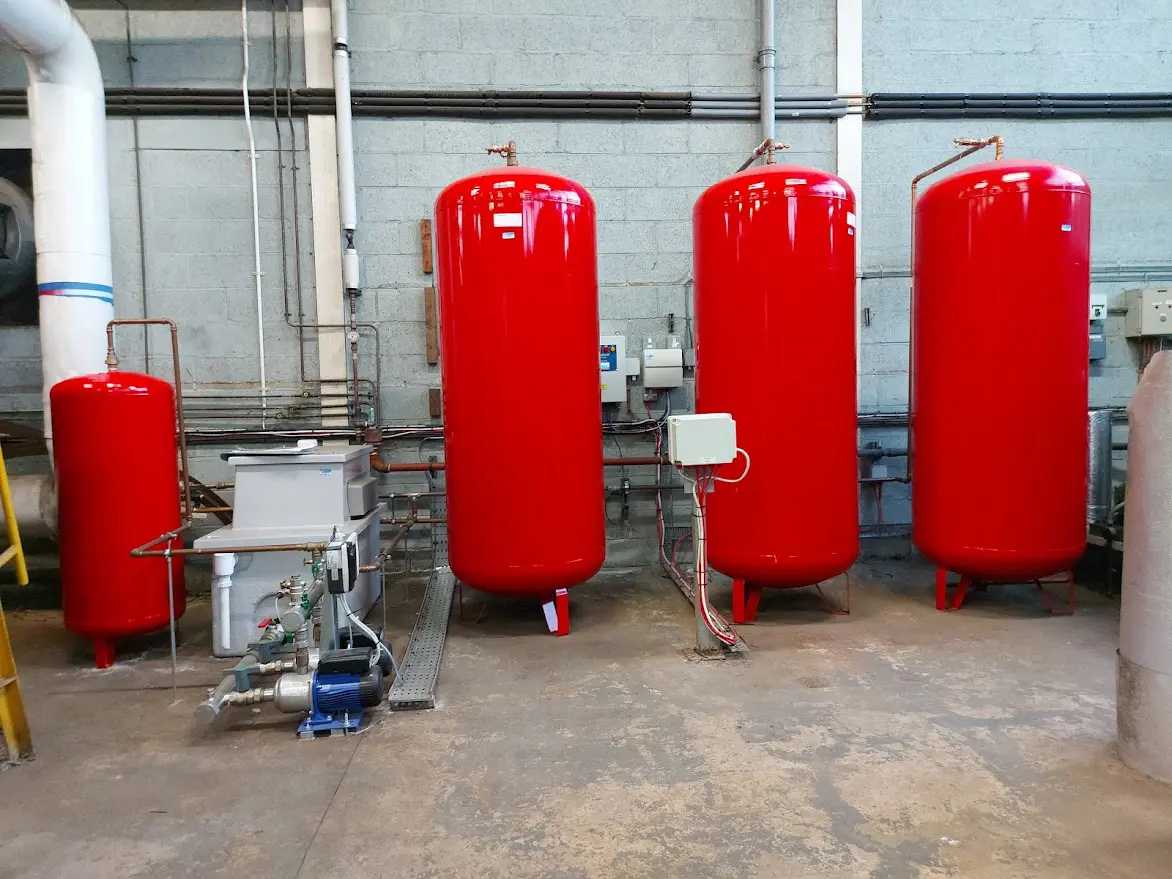
Inspection for Cold-Water Pressure Vessels
An inspection is primarily a safety and compliance audit. Its goal is to confirm that the pressure vessel remains structurally sound and operates within the bounds of relevant safety legislation, such as the Pressure Systems Safety Regulations (PSSR). Think of an inspection as a thorough health check-up, assessing the vessel’s overall integrity and adherence to mandated standards.
Key elements of a comprehensive inspection typically include:
- Visual and Structural Examination: A thorough check of the vessel shell, external welds and associated fittings for any signs of corrosion, pitting, cracks, bulges or leaks. These visual cues can indicate significant material degradation or impending structural failure.
- Safety Device Verification: Thoroughly checking the functionality and calibration of critical safety components, including pressure gauges, safety relief valves and drain connections. Ensuring these devices are accurate and operational is vital for preventing over-pressurisation.
- Documentation Review: A rigorous review of existing certification, past inspection reports, test records and maintenance logs. This ensures a consistent history of the vessel’s condition and compliance.
An inspection provides safety assurance and compliance. It determines whether a pressure vessel is fit to remain in operation, posing no undue risk to the system or its environment. Failing an inspection necessitates immediate action, which could range from repair to replacement, to rectify any identified safety deficiencies.
Servicing of Cold-Water Pressure Vessels
In contrast, servicing checks the operational performance, functionality and longevity of the pressure vessel. While safety is always an underlying concern, the primary objective of servicing is to keep the vessel working efficiently as an integrated part of the water system, preventing common operational issues, reducing energy consumption and extending the asset’s economic life.
Typical activities performed during a service include:
- Air/Nitrogen Charge Management: Checking and accurately resetting the crucial air or nitrogen pre-charge within the vessel’s diaphragm or bladder. An incorrect charge can lead to rapid pressure fluctuations, pump short-cycling and premature wear on system components.
- Diaphragm/Bladder Check: Inspecting the internal diaphragm or bladder for any signs of wear, tear or damage. A compromised diaphragm can lead to waterlogging of the air chamber, rendering the vessel ineffective. Replacement is carried out if wear is evident.
- System Pre-Charge Alignment: Ensuring the vessel’s pre-charge pressure matches the pump control settings. This alignment is critical for efficient pump operation, reducing energy consumption, and extending pump life.
Servicing keeps the vessel working efficiently as an integrated part of the water system, preventing common operational issues, reducing energy consumption and extending the asset’s economic life. Servicing is about optimising performance and extending lifespan.
The Perfect Partnership: Inspection and Servicing
To summarise the key differences:
- Inspection = Safety and Compliance Check: Is the vessel structurally safe and compliant with regulations? (Focus: Is it safe to use?)
- Servicing = Performance Maintenance: Is the vessel functioning correctly and efficiently within the system? (Focus: Is it working properly?)
Both are essential for any facility operating cold-water pressure vessels. Regular inspections prevent dangerous failures, while servicing ensures efficient system operation and reduces running costs.
Regular inspections are your defence against failures that could lead to damage, injury or operational downtime. They provide the peace of mind that your equipment meets necessary safety benchmarks.
Servicing, ensures efficient system operation, actively contributing to reduced running costs through optimised energy consumption and decreased wear on associated equipment. It prevents minor issues from escalating into major, costly repairs.
By understanding and diligently implementing both comprehensive inspection schedules and routine servicing procedures, you can ensure the continuous safety, regulatory compliance and peak performance of your cold-water pressure vessels, protecting your investment and delivering operational continuity.
Choosing Dura Pump means investing in reliability and safety for your facility. Talk to an expert about your needs