


June 12, 2017
Share this postHow do you know whether to repair or replace a broken pump?
Six key factors to consider
The age of the pump
The age of a pump plays a major role in the decision. Older pumps are more likely to suffer repeated failures due to wear, corrosion, or outdated components. If a pump is nearing or exceeding its expected service life, repairs may only provide a short-term fix. In these cases, replacement can reduce future downtime and ongoing maintenance costs.
Extent of the damage
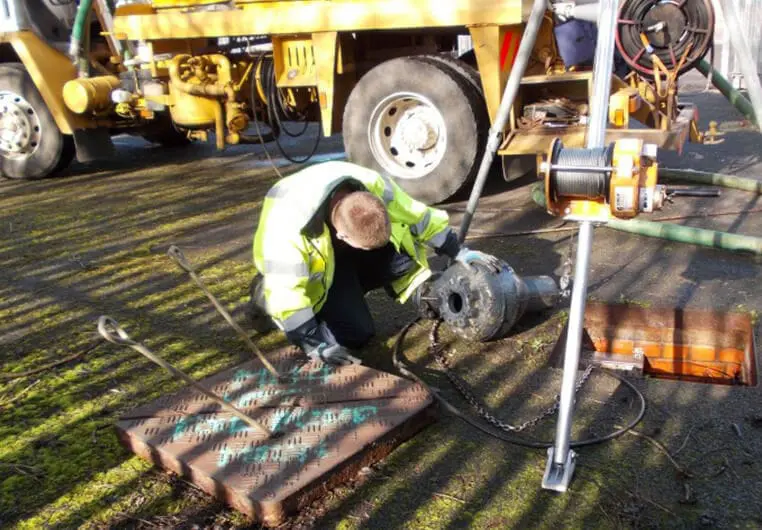
Not all breakdowns are equal. Minor issues such as worn seals, bearings, or gaskets are often straightforward and cost-effective to repair. However, significant damage to core components like the impeller, casing, or shaft can be expensive and time-consuming to fix. If multiple major parts are affected, replacement may be the more practical solution.
Cost of repair vs. replacement
A clear cost comparison is essential. This should include not only the immediate repair cost, but also labour, parts availability, and the likelihood of future failures. As a general rule, if the repair cost approaches a significant percentage of the price of a new pump, replacement may offer better value and peace of mind.
Efficiency and performance
Pump technology continues to improve. Newer models are often more energy-efficient and better suited to modern operating requirements. If an older pump is consuming excessive energy or failing to meet performance demands, replacing it with a more efficient model can reduce running costs and improve overall system performance.
Downtime and operational impact
Downtime can be just as costly as the repair itself. If a repair will take a long time due to complex work or hard-to-source parts, replacement may get operations back up and running more quickly. For critical applications, minimising downtime is often a top priority.
Availability of spare parts and support
As pumps age, spare parts can become scarce or obsolete. Limited availability can lead to longer repair times and higher costs. If replacement parts are difficult to source or manufacturer support is no longer available, investing in a new pump ensures reliable access to spares and technical assistance going forward.
There is no right or wrong answer to whether to repair or replace. There is a careful weighing up of factors after intelligent analysis.
These are some guidelines to consider but we are always at the other end of the phone to discuss your particular pump, it’s performance and your needs. Please call or email us if you would like to discuss further.
Choosing Dura Pump means investing in reliability and safety for your facility. Talk to an expert about your needs