


December 21, 2018
Share this postHow to Resolve Persistent Pump Failures
The best form of attack is defence, so the first thing you should be thinking about after a pump fault attacks your production process is how you could have defended yourself.
You really need to get to the route of the failure rather than just trying to fix the immediate problem. If you don’t investigate why the failure occurred you are at serious risk of the failure occurring again. This can lead to wasting a large amount of money on constantly repairing the pump system. It may take longer and cost more to repair in the short term, but in the long term, you will save time and money because you only had to repair the pump once.
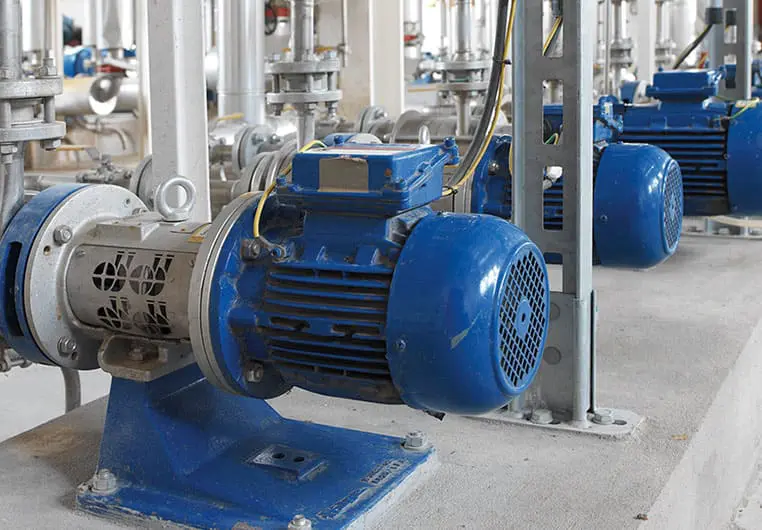
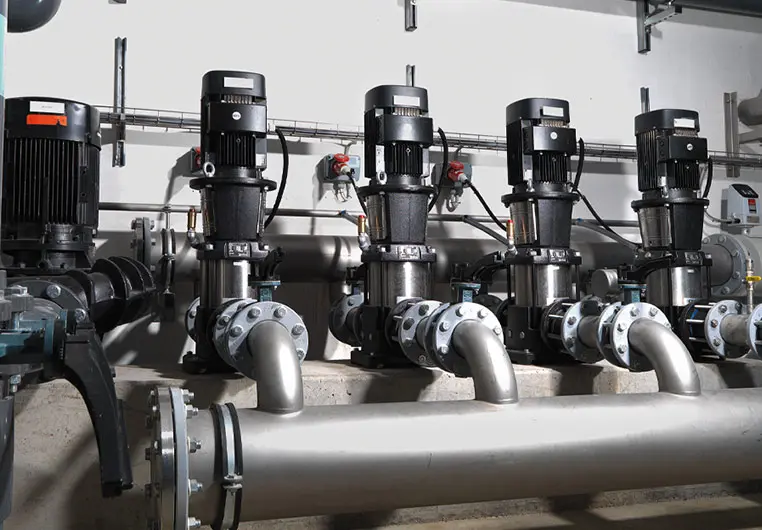
Dura Pump always looks for the core root of a pump failure instead of just repairing the outcome of the issue. For example, Dura Pump solved a borehole pump problem at Luton Sixth Form college with this philosophy in mind. Prior to our involvement some considerable cost had been incurred replacing a pump four times in just five years. A failed pump doesn’t always need to be replaced, in some circumstances it can be repaired, see our guide on ‘How do you know whether to repair or replace a broken pump?’ to learn more.
After we completed a full analysis of the failure we were able to provide the correct guidance and specification to make sure the pump wouldn’t continue to fail. The way forward was agreed and work carried out, as a result, the issues were resolved and further unnecessary costs were prevented, resulting in a satisfied customer.
To truly resolve persistent pump failures a proactive approach is required. Consistent maintenance on your pump systems can prevent failures from ever happening to keep your pump systems up and running for their full life expectancy and beyond. Regular maintenance is also very likely to save you hundreds or thousands of pounds in unexpected pump repair costs.
We also worked with a retail park that had spent over £140,000 in 18 months maintaining and servicing pumps before properly reviewing them. Our team rebuilt the eight pump stations and included remote monitoring enabling them to proactively monitor their pumps at anytime, even while off-site. The customer now spends only £17,500 per annum on maintenance and has experienced no pump failures. Combined with regular service visits, our engineers removed the problems which otherwise would have caused serious damage to the pumps.
So what’s the direct solution? If you do not have the skills and resource in-house to properly monitor and repair your pumps, the best way to dramatically increase your system reliability at a known cost that can be properly budgeted for, is to take out a maintenance contract. Proserv is Dura Pump’s maintenance service, available in various types of cover to suit the level of maintenance you require. Proserv will help you keep your pumps up and running, reduce energy consumption, save money and increase safety.
There is some further guidance below in our FAQ section to help you with maintenance. If you are experiencing persistent pump failures and need our help, contact us here.
Most pump failures come down to poor maintenance, incorrect operation, or running the pump outside its intended design conditions. Common issues include lack of lubrication, clogged strainers, misalignment, cavitation and overheating. Small problems compound over time until the pump finally breaks down.
Follow a planned preventive maintenance schedule. Regular inspections, lubrication and performance checks catch problems early—before they cause costly downtime or damage to the pump and surrounding equipment.
- Daily/weekly: Visual checks for leaks, vibration, noise and temperature changes
- Monthly: Check bearings, seals and alignment
- Quarterly or annually: Full performance testing, vibration analysis and internal inspections (depending on usage and criticality)
Critical or high-duty pumps should be monitored more frequently.
Bearings are one of the first components to fail in a pump. Using the correct lubricant, in the right amount, and at the right interval prevents overheating, friction damage, and premature bearing wear. Over-lubrication can be just as harmful as under-lubrication.
Poor alignment between the pump and motor causes excessive vibration, seal damage, bearing wear and energy loss. Laser alignment or precision alignment tools should be used after installation and any time the pump or motor is serviced.
Changes in vibration or unusual noises are early warning signs of issues like bearing wear, imbalance, cavitation or looseness. Vibration monitoring allows maintenance teams to fix problems before the pump fails unexpectedly.
Running pumps outside their design range—such as low flow, excessive pressure, or frequent starts and stops—puts stress on internal components. Operating pumps at their best efficiency point (BEP) significantly extends service life and reduces energy costs.
Cavitation occurs when vapour bubbles form and collapse inside the pump due to low suction pressure. This causes pitting, vibration, noise and rapid internal damage. Ensuring proper suction conditions and adequate Net Positive Suction Head (NPSH) helps prevent it.
Dirt, debris and scale can clog impellers, damage seals and restrict flow. Regularly cleaning strainers, filters and piping helps maintain smooth operation and prevents internal damage to the pump.
Yes. Operator error is a common cause of pump failure. Training staff on proper startup, shutdown, operating limits and warning signs helps prevent misuse and ensures problems are reported early.
Tools like vibration sensors, temperature monitoring, and motor current analysis provide real-time data on pump health. This allows for predictive maintenance, reducing unplanned downtime and extending pump life.
Keeping maintenance records helps identify recurring issues, track performance trends, plan replacements and justify maintenance budgets. It also ensures continuity when staff changes occur.
Choosing Dura Pump means investing in reliability and safety for your facility. Talk to an expert about your needs