

January 12, 2026
Share this postThe Role of Pressurisation Units in Maintaining Critical Environments
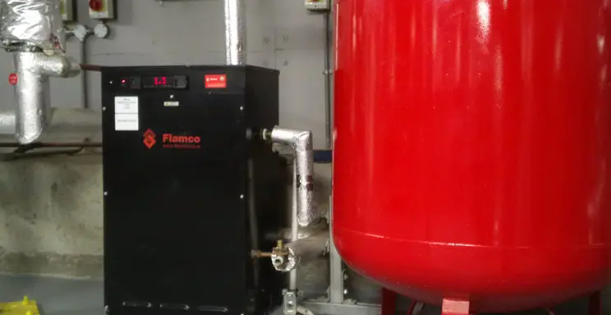
In the complex composition of modern infrastructure, certain components are fundamental to the seamless operation and safety of critical environments. Among these are pressurisation units, indispensable for the stable functioning of heating and cooling systems within demanding settings such as hospitals, correctional facilities and higher education establishments. Their contribution extends far beyond comfort, directly influencing operational integrity, occupant well-being, and asset protection.
The performance requirements for heating and cooling systems in these sectors are exceptionally stringent. They must consistently deliver precise temperature and humidity control, robust air filtration, and, in many cases, maintain specific pressure differentials to mitigate the spread of airborne contaminants. Any disruption to these systems can have significant ramifications, from compromising sterile fields in a hospital to impacting sensitive research in a university laboratory or even affecting security protocols in a correctional facility through environmental instability.
The pressurisation unit, charged with maintaining constant pressure prevents a cascade of potential issues that could undermine the entire environmental control strategy:
- Preventing Cavitation: Pressure fluctuations can lead to the formation of air bubbles (cavitation) within the system’s fluid. This phenomenon can cause severe damage to pumps, valves and other vital components, leading to premature wear, inefficient operation and eventual system failure. In critical environments, such a breakdown could necessitate emergency repairs, incur significant costs, and, crucially, disrupt essential services.
- Mitigating Air Ingress and Corrosion: Inadequate system pressure allows external air to be drawn into the pipework. These air pockets not only reduce the efficiency of heat transfer, leading to inconsistent temperatures and increased energy consumption, but also introduce oxygen into the system. The presence of oxygen significantly accelerates internal corrosion of metallic components, shortening the lifespan of the entire infrastructure and potentially leading to leaks.
- Enhancing System Longevity and Reliability: By maintaining a consistent and appropriate pressure, pressurisation units help to ensure the long-term health of the heating and cooling system. Stable pressure minimises stress on components, prevents detrimental conditions like cavitation and corrosion and ensures that the system operates within its designed parameters, thereby extending its operational life and enhancing overall reliability – a paramount concern in environments where downtime is not an option.
Modern pressurisation units are sophisticated pieces of engineering, frequently incorporating advanced features such as variable speed pumps, intelligent electronic controls, and comprehensive monitoring capabilities. These features enable dynamic response to system changes, optimise energy efficiency and provide invaluable data for proactive maintenance strategies. This level of control and insight is crucial for facility managers striving to maintain peak performance and minimise operational risks.
The effective operation of critical environments across healthcare, correctional facilities and higher education is fundamentally dependent on robust supporting infrastructure. While often operating out of sight, pressurisation units play a pivotal role in ensuring the steady performance of heating and cooling systems. They safeguard against environmental instability and contribute directly to the longevity of pumps. Recognising their importance and investing in their proper specification, installation and ongoing maintenance is an essential investment in the resilience, safety and effectiveness of pump systems in critical care establishments.
Choosing Dura Pump means investing in reliability and safety for your facility. Talk to an expert about your needs