


January 7, 2025
Share this postUnderstanding Common Cold Water Pump Issues and How to Address Them in a Cold Water Supply System
Clean, cold-water pumps play a vital role in industries and commercial building facilities, supporting a reliable cold water supply system for everything from washrooms to process use. While these pumps are designed for reliability, several issues can arise that impact their performance and longevity. Below, we explore some of the most common problems, their causes and steps you can take to prevent or resolve them.
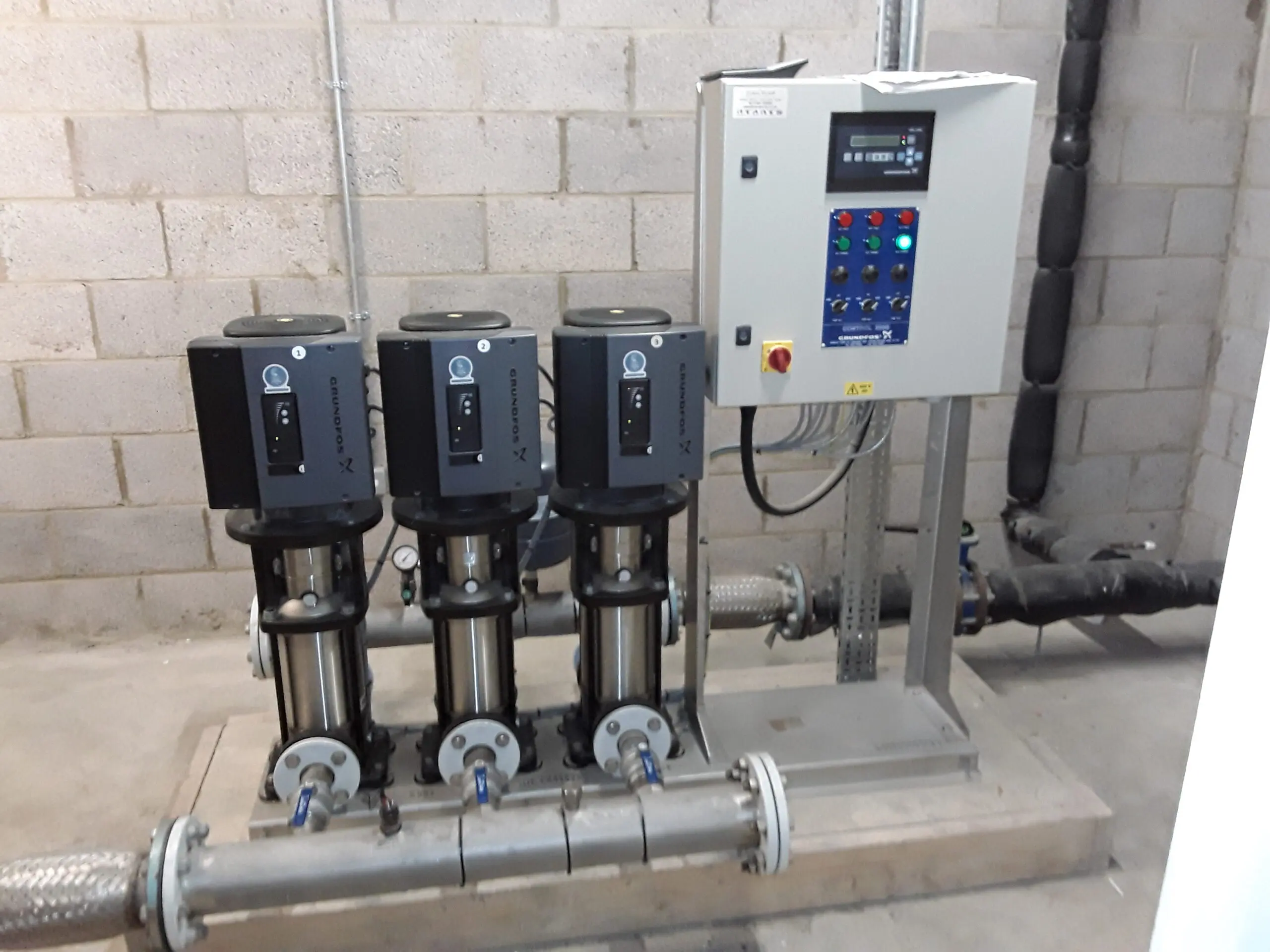
1. Blockages: The Silent Culprit
Blockages are one of the most common cold water pump problems, especially where tanks, strainers, or intake points aren’t maintained.
In a cold water supply system, blockages at strainers, tanks or intake points can quickly cause low pressure and inconsistent flow across a building.
Causes:
- Sediment Build-Up: Even clean water can carry small particles of sediment, which over time can accumulate and block pump components.
- Debris Infiltration: External debris, like leaves or dirt, can enter the system, particularly in outdoor installations or poorly maintained tanks.
Symptoms:
In a cold water supply system, this is often one of the first signs a cold water pump is under strain.
Reduced flow rate.
- Strange noises due to strain on the motor or impeller.
Solutions:
- Filtration Systems: Install inline filters or strainers to trap particles before they enter the pump.
- Regular Cleaning: Schedule routine inspections and clean the pump casing, impellers and intake screens.
- System Flushing: Periodically flush the pump and piping system to remove accumulated debris.
2. Reduced Efficiency: A Hidden Cost
Reduced efficiency in a cold water pump often shows up as higher energy use, weaker pressure, and inconsistent supply at outlets.
If your cold water supply system is showing higher energy use or poor outlet performance, efficiency losses in the pump and controls are often a key contributor.
Causes:
- Wear and Tear: Over time, impellers, bearings and seals degrade, reducing the pump’s efficiency.
- Air Entrapment: Air bubbles in the system (cavitation) can interfere with water flow and damage components. Cavitation can quickly damage a cold water pump impeller and seals, so it’s worth investigating as soon as noise or vibration appears.
- Incorrect Sizing: Pumps that are too large or too small for their application operate inefficiently.
Symptoms:
- Increased energy consumption.
- Lower water pressure or inconsistent flow across the cold water supply system.
- Frequent overheating or motor stress.
Solutions:
- Regular Maintenance: Inspect and replace worn parts like seals and impellers.
- System Calibration: Check that your pump matches the system’s flow and pressure requirements.
- Check for Leaks: Inspect piping and joints to ensure no air is entering the system.
3. Corrosion and Material Degradation
If your cold water pump operates in water with higher mineral content, material selection becomes critical to avoid premature corrosion and leaks.
Causes:
- Chemical Reactions: Exposure to trace chemicals or minerals in the water can corrode metal components.
- Poor Material Selection: Using pumps not suited to the water composition can lead to premature wear.
Symptoms:
- Visible rust or corrosion on the pump body.
- Leaks around seals or joints.
- Reduced structural integrity, leading to frequent breakdowns.
Solutions:
- Material Upgrades: Use corrosion-resistant materials like stainless steel or specialised coatings for components.
- Water Testing: Regularly test water for pH, mineral content and contaminants. Treat if necessary.
4. Overheating and Motor Failures
A cold water pump that’s repeatedly overheating is often oversized, undersized, running dry, or being forced to operate outside its best efficiency point.
Causes:
- Overworking: Pumps operating beyond their capacity for extended periods can overheat.
- Poor Ventilation: Enclosures without adequate airflow can trap heat.
- Electrical Issues: Voltage fluctuations or improper wiring can overburden the motor.
Symptoms:
- Frequent system shutdowns.
- Burnt smells or discolouration around the motor.
- Increased energy costs without a corresponding output increase.
Solutions:
- Install Thermal Protection: Add sensors to detect overheating and shut down the pump if necessary.
- Ensure Proper Sizing: Match the pump capacity to system requirements to avoid overuse.
- Regular Electrical Checks: Inspect wiring and voltage supply regularly.
5. Noise and Vibrations: Indicators of Trouble
Noise and vibration are early warning signs that a cold water pump may be misaligned, cavitating, or suffering from wear in bearings and impellers.
Causes:
- Misalignment: Shafts and bearings that are not correctly aligned can cause vibrations.
- Loose Components: Over time, bolts, screws or mounts can loosen, leading to instability.
- Imbalanced Impellers: Damage to the impeller can throw it off balance, causing irregular operation.
Symptoms:
- Unusual knocking, grinding or humming sounds.
- Excessive vibrations during operation.
- Premature wear on components.
Solutions:
- Alignment Checks: Regularly inspect and align shafts and bearings.
- Tighten Connections: Secure all bolts, screws and mounts during maintenance.
- Impeller Maintenance: Replace or repair damaged impellers promptly.
Preventative Measures for Long-Term Reliability
To avoid these common issues, adopt a proactive maintenance approach for your cold water pump and wider cold water supply system. Here’s how:
- Scheduled Maintenance: Implement a monthly, quarterly and annual inspection routine.
- Training: Ensure your team is trained to identify and respond to pump issues.
- Documentation: Maintain records of maintenance, repairs and performance metrics.
When to Call the Experts
While regular upkeep can prevent most problems, some issues within a cold water supply system require professional intervention. If your pump’s performance declines significantly or if you’re experiencing recurring problems, contact Dura Pump. If your cold water supply system performance declines significantly or you’re seeing recurring problems, contact Dura Pump — a service visit can identify the root cause and prevent further damage.
By staying vigilant and prioritising maintenance, you can ensure your cold water pump continues to perform optimally within your cold water supply system, avoiding unnecessary disruptions and expenses.
Need help maintaining your pumps? Contact us for expert advice and support.
Want to stay up-to-date with the latest news?
Subscribe to our mailing list to hear the latest news, events, free resources, and more for your industry.
Choosing Dura Pump means investing in reliability and safety for your facility. Talk to an expert about your needs