


February 21, 2022
Share this postWhy You Need a Vent Pipe on Your Pump Station
Have you ever asked yourself: “Why do I need a vent pipe on my pump station?”. If so, you’re not alone! In the latest advice from Dura Pump, we set aside some time to respond to that often overlooked question. Keep reading to get answers on this pump station mystery – thank us later! In most pump stations, effective venting isn’t optional — a correctly designed venting pump setup (or venting arrangement) helps control pressure, reduce odours, and keep the station operating safely.
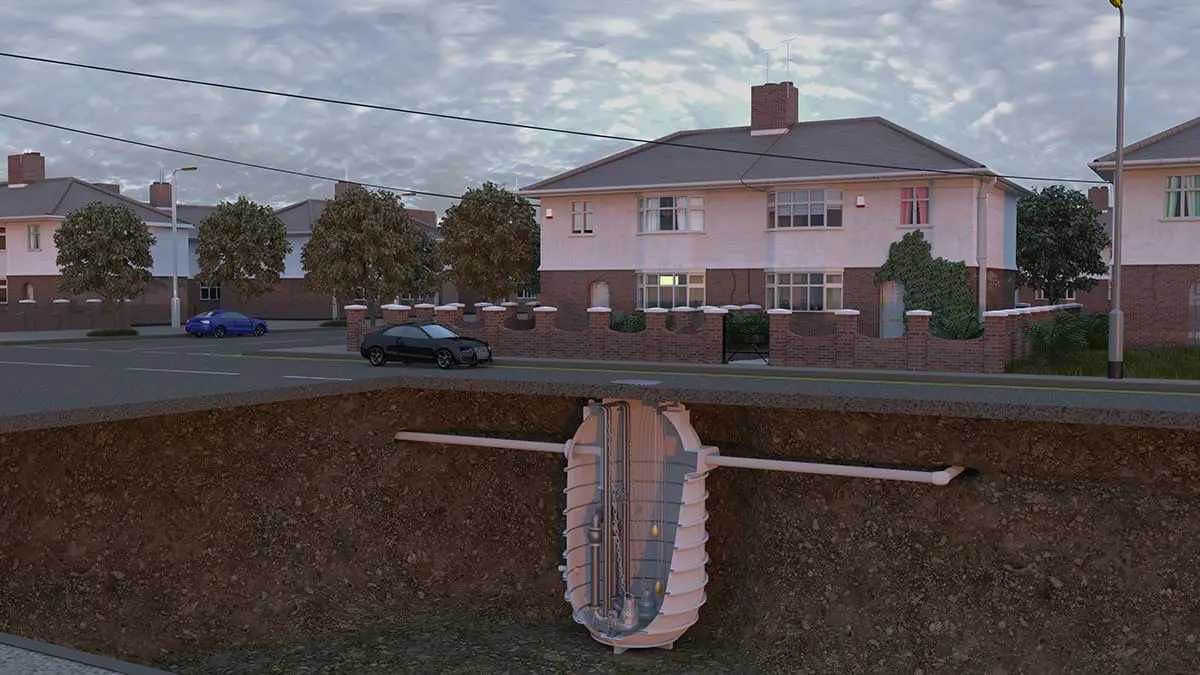
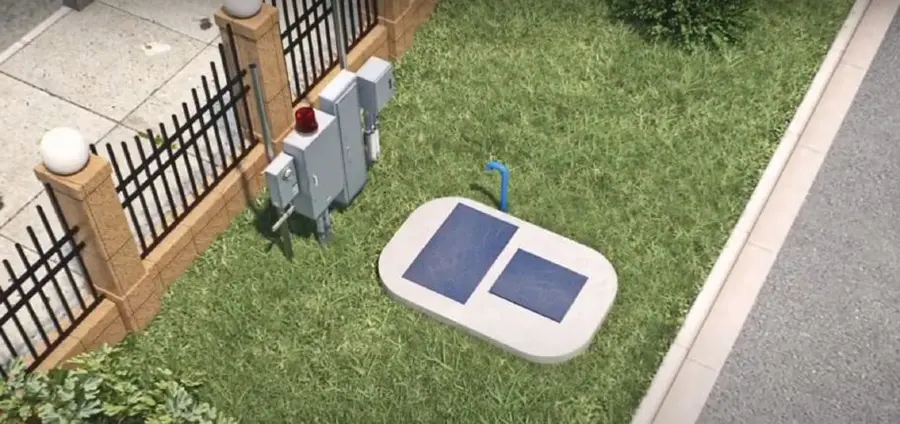
Here at Dura Pump, we’re often asked questions around pump stations and the various add-ons they need to keep them running smoothly and efficiently. One of the most frequently asked questions we answer on a weekly basis is – “do I need an air vent for my pump station”.
In a nutshell, the answer to that question is ‘yes’. Before we explain why, let’s take a look at these products and what they’re built to do…
What is a Vent Pipe?
First thing’s first: let’s take a look at these products and what it actually means to vent your plumbing. After all, if you don’t understand the method behind it all, it’s highly unlikely that you’ll be able to identify issues if and when they occur!
Commonly referred to as ‘plumbing vents’ and ‘vent stacks’, vent pipes act as miniature chimneys which effectively regulate the air pressure inside your pump station. Put simply, your air vent is a pipe that goes out the top of the tank with a trap or carbon vent on the discharge, with a typical diameter of approx 110mm.
To help understand what these products do, it pays to think of air vents essentially as drain pipes for your plumbing system. However, there’s one key difference here: However, there’s one key difference here: instead of clearing water and waste from your pump station, the venting pump arrangement (vent pipe and filtration where needed) helps clear gases and foul odours safely from the system.
Aside from clearing out all that nasty stuff from your pump station, vent pipes also allow fresh air to enter your pump station. This airflow is a key part of any venting pump design because it prevents pressure imbalance as the wet well level rises and falls. Apart from creating a cleaner system, this allows water to flow effectively through your drain pipes – a bare essential in the world of pumps. Notably; however, air vents don’t carry water. In fact, these are vertical pipes which are connected to your drain pipes and vent out through the roof of your station. Fundamentally, your vent stack will run exhaust gases out and keep a safe atmospheric pressure in your plumbing system.
Why Your Pump Station Needs an Air Venting Pump?
Put simply, the venting pump function here is about controlling air movement — letting the tank breathe so pressure and odours don’t build up.
We’ve explained what vent pipes do. But does your station actually need one? In short, the answer is yes. Indeed, this pipe plays a crucial role in protecting your pump station in more ways than one.
Your pump station needs an air vent as it allows air to escape as the tank fills up with waste. As the wastewater or sewage comes into the tank, it inevitably fills up the tank, meaning the air needs some way to escape. By installing an air vent, you can ensure that air escapes without any pressure being built up inside the tank.
If pressure does build up inside your pump station, you could have a messy and highly unpleasant situation on your hands: if there was to be no way of the air escaping, the pressure could build up to such an extent that it would pop the lid off of the tank. This would therefore create a hazard for the public or workforce – and who’s got time for that?
Your pump station needs an air vent, not only to release air but to let the tank ‘breathe’. Whilst this is often overlooked, it is incredibly important as being able to breathe naturally means there is a reduced chance of a foul odour build up.
One final tip, and this is ESSENTIAL to avoid those foul odours. Never confuse the air vent on your pump station with the air valve on your mains sewers – trust us!
List of Reasons Why Your Pump Station Needs An Air Vent – The Technicals!
- Pressure Equalisation and Airflow:
Preventing Vacuum: As wastewater or other fluids are pumped out of the wet well (the chamber where the liquid collects), it creates a negative pressure or vacuum inside the sealed chamber. A vent pipe allows atmospheric air to enter the wet well, equalising the pressure and preventing the formation of a vacuum. Without it, the pump would struggle to draw liquid, or the wet well could even collapse under external atmospheric pressure.
Preventing Overpressure: Conversely, when liquid flows into the wet well, or during certain operational conditions, air can become trapped and compressed. The vent pipe provides an escape route for this excess air, preventing overpressure that could damage the wet well structure or internal components. - Odour Control and Gas Dissipation:
Hazardous Gases: Wastewater naturally produces various gases through anaerobic decomposition, including hydrogen sulfide (H2S), methane (CH4), carbon dioxide (CO2), and ammonia (NH3).
Hydrogen Sulfide (H2S): This gas is highly toxic, even at low concentrations, and is corrosive to concrete and metal components, leading to “sewer gas” corrosion. It also has a distinct rotten egg smell.
Methane (CH4): Methane is a highly flammable and explosive gas.
Carbon Dioxide (CO2): While not as immediately dangerous as H2S or CH4, high concentrations can displace oxygen, creating an asphyxiation hazard.
Odor Nuisance: Beyond safety, these gases are often malodorous, particularly H2S. A vent pipe directs these odors away from occupied areas, usually extending above the pump station roof or to a location where dispersion is less impactful. Sometimes, odor control filters are incorporated into the vent system. - Preventing Air Locks:
Pump Priming: For centrifugal pumps, it’s crucial that the pump impeller is submerged in liquid (primed) before starting. Air pockets in the suction line or pump casing can prevent the pump from drawing liquid, leading to an “air lock.” The vent pipe helps ensure that air can escape from the wet well and the pump’s suction area, allowing liquid to fill these spaces properly.
Smooth Flow: Air trapped in the system can cause turbulent flow, reduce pump efficiency, and lead to cavitation (the formation and collapse of vapor bubbles, which can damage the pump). - Safety for Personnel:
Confined Space Entry: Pump station wet wells are classified as confined spaces. Before personnel can enter for maintenance or inspection, the atmosphere must be tested and often purged. A vent pipe facilitates natural ventilation and can be used in conjunction with forced ventilation systems to clear hazardous gases and introduce fresh air, making entry safer.
Explosion Risk Mitigation: By continuously venting flammable gases like methane, the risk of gas accumulation to explosive levels within the wet well is significantly reduced. - Protection of Equipment:
Corrosion: As mentioned, H2S gas is highly corrosive. Proper ventilation helps to dilute and remove these gases, extending the lifespan of concrete structures, electrical components, and metallic pipes within the wet well.
Structural Integrity: Preventing extreme pressure differences (vacuum or overpressure) protects the structural integrity of the wet well itself.
Let Your Pump Station Breathe: Get Started with Dura Pump Today
Is your pump station emitting a foul smell? Frustrated with irregular air pressure in your system? Forget holding your nose – try a cost-effective and long-lasting solution with Dura Pump.
A vent pipe is essential in any commercial or industrial pump station because it allows air and gases to safely escape from the system. Without proper venting, pressure can build up, leading to odour issues, pump strain, or even system failure. Effective venting keeps wastewater moving efficiently and protects both equipment and operators.
A sanitary lift station moves wastewater from lower levels to higher drainage points when gravity flow isn’t possible. Venting ensures gases generated during waste transfer are safely released, preventing airlocks and maintaining consistent flow. Sanitary lift stations should be designed with integrated venting options for optimal performance and safety.
Sanitary lift stations play a vital role in managing wastewater where gravity drainage isn’t possible — such as in large buildings, hospitals, factories, and commercial facilities. They ensure efficient waste transfer, long service life, and reliable performance under continuous operation.
A venting pump setup helps regulate air pressure and remove gases from within the pumping system. In large commercial or industrial facilities, this prevents unpleasant odours, corrosion, and flow disruption. Properly vented systems extend pump lifespan and reduce maintenance downtime — a key reason venting is so important.
Yes — an outdoor water pump cover helps shield external installations from weather damage, but ventilation is equally important. Even covered or buried pump stations must have a vent pipe to allow safe gas release.
For outdoor or exposed installations, weather protection is critical. Using an outdoor water pump cover safeguards equipment from rain, frost, and UV damage, extending pump lifespan and reducing maintenance. They ensure dependable performance in all conditions for industrial and commercial buildings.
In commercial and industrial wastewater systems, effective venting is essential for safe operation. A venting pump setup helps prevent gas build-up, reduces odour, and protects components from pressure-related stress. Venting systems maintain performance, comply with environmental standards, and ensure a safe working environment.
For outdoor or exposed installations, weather protection is critical. Using an outdoor water pump cover safeguards equipment from rain, frost, and UV damage, extending pump lifespan and reducing maintenance. They ensure dependable performance in all conditions for industrial and commercial buildings.
A lift station system in a wastewater application is ideal for:
• Sanitary lift stations in commercial and industrial buildings
• Venting pump systems for safe wastewater management
• Outdoor installations with weather-resistant pump covers
• Lower-level process or washroom applications
• Utility and process sink pumping solutions
No — even a lift station for a basement or lower-level facility requires a vent pipe to prevent airlocks and ensure smooth wastewater flow. Venting allows gases to escape safely while maintaining system pressure balance, which is critical for consistent operation in confined or below-ground environments.
Lift stations are available for lower level facilities. In some commercial or industrial buildings, washrooms, process areas, or plant rooms sit below the main drainage line. A lift station for lower-level applications provides the pressure needed to move wastewater efficiently to higher-level drainage points. Well engineered systems ensure reliability, quiet operation, and compliance with industrial wastewater standards.
Even compact systems, such as laundry sink pumps or utility room pumps, benefit from proper venting. In industrial or commercial settings, small wastewater units can produce trapped air or gases that impact flow. Including a vent line helps maintain pump efficiency and ensures compliance with safety standards.
Choosing Dura Pump means investing in reliability and safety for your facility. Talk to an expert about your needs