


Solutions
Pressurised Heating Systems
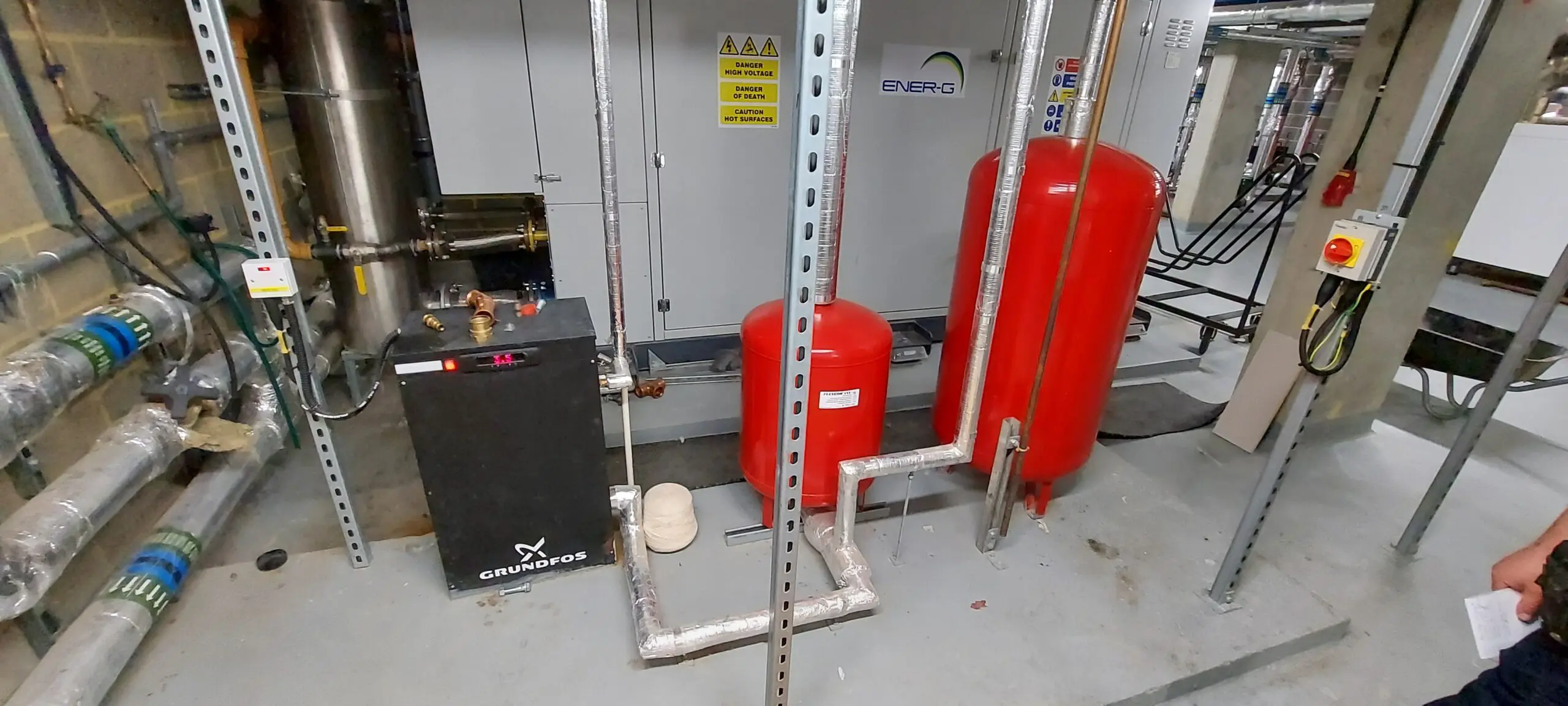
What is a pump pressurisation set? Pressurisation units are designed to replace water that has been lost through system leakage, to maintain the system design fill-pressure in sealed heating and chilled water systems and to provide safety circuits locking out the chiller unit or boiler in the event of extreme pressures, supporting reliable pressurised heating systems.
Pressurised heating systems lower the risk of pressure being too high or low, stopping knock-on effects on the day-to-day operation of premises and improving overall stability in pressurised heating systems. Linked to the pressurisation sets there is also pressure vessel, to take up the expansion in the system. These pressurisation units have a small CAT5 break tank with one or two small peripheral pumps throughout the system to maintain pressure. Sometimes pressurised heating systems are also known as fill and spill systems and vice versa, depending on how the pressurised heating systems are configured. Fill and spill systems are typically found on larger applications. In principle the systems work the same, however a pressurisation set doesn’t have a spill system, it uses a pressure vessel instead.
Fill and Spill System
The fill and spill system is designed to maintain consistent pressure within a heating or closed water system to support stable pressurised heating systems by actively responding to changes.
It operates by monitoring system pressure using either a pressure switch or a pressure transducer. When the pressure drops below the required level, pumps automatically activate, drawing water from the tanks and introducing it into the system to restore pressure. Once the correct pressure is achieved, the pumps switch off.
If the pressure rises too high, a spill valve—either a mechanical valve or an electric solenoid—opens to allow excess water to return to the tank, safely reducing system pressure.
This pressure fluctuation typically results from temperature changes. As the system heats up, the water expands, increasing pressure. When it cools, the water contracts, causing a drop in pressure. The fill and spill system manages this cycle efficiently, ensuring safe and reliable operation at all times.

Degasser
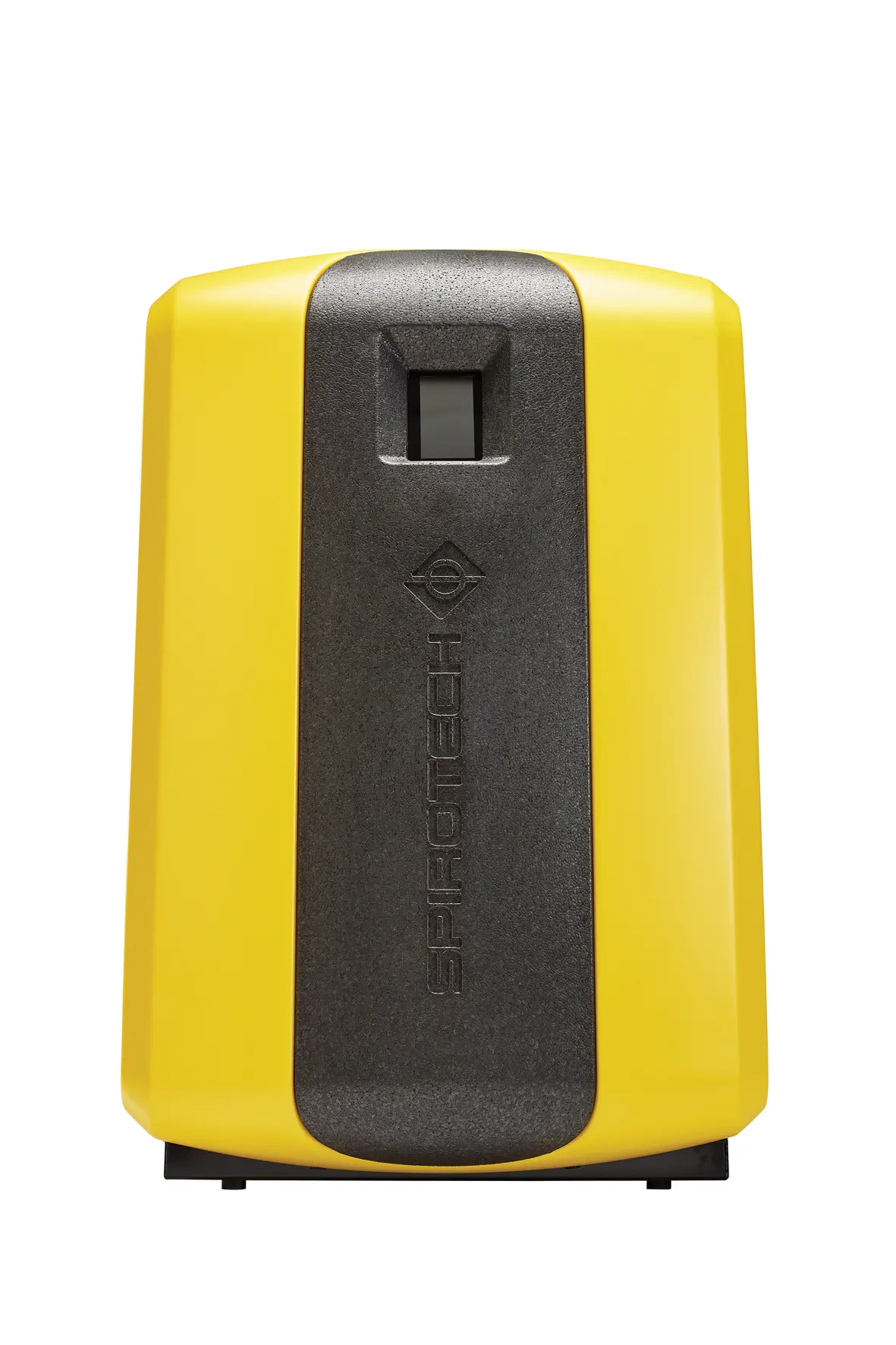
A degasser is a fully automatic unit designed to eliminate gases, including free air, microbubbles and dissolved gases, from sealed chilled and heating systems, helping maintain performance in pressurised heating systems. It uses an energy-efficient pressure step process along with an absorptive fluid to achieve minimal gas content while keeping system pressure stable. Operated via an intuitive digital interface, the degasser provides real-time updates on system pressure and component status, gives early warnings for excessive refilling, and allows for degassed refilling to safeguard the system, enhance energy performance and lower running costs.

Pump pressurisation set features/what we can offer
- Standard options volumes up to 300,000 litres
- Standard options up to 8 bar
- Boiler Interlocks
- Wall and floor-mounted options stocked
- Bespoke Build and design for high temperature
- Supply, installation, repair and maintenance
Common issues we can solve

Seized Pumps

Overpressuisaing or fluctuating pressure

Faulty Controls and error codes

Failed pressure/expantion vessel
Let’s Talk Pressure, we understand that every facility has unique demands. speak with a system expert today and get a recommendation built around your environment for pressurised heating systems.


Our Pump Pressurisation Set Manufacturers


Take a look at our pump spares and accessories

Hose /Pipework
Mechanical Seals
Pump Spares
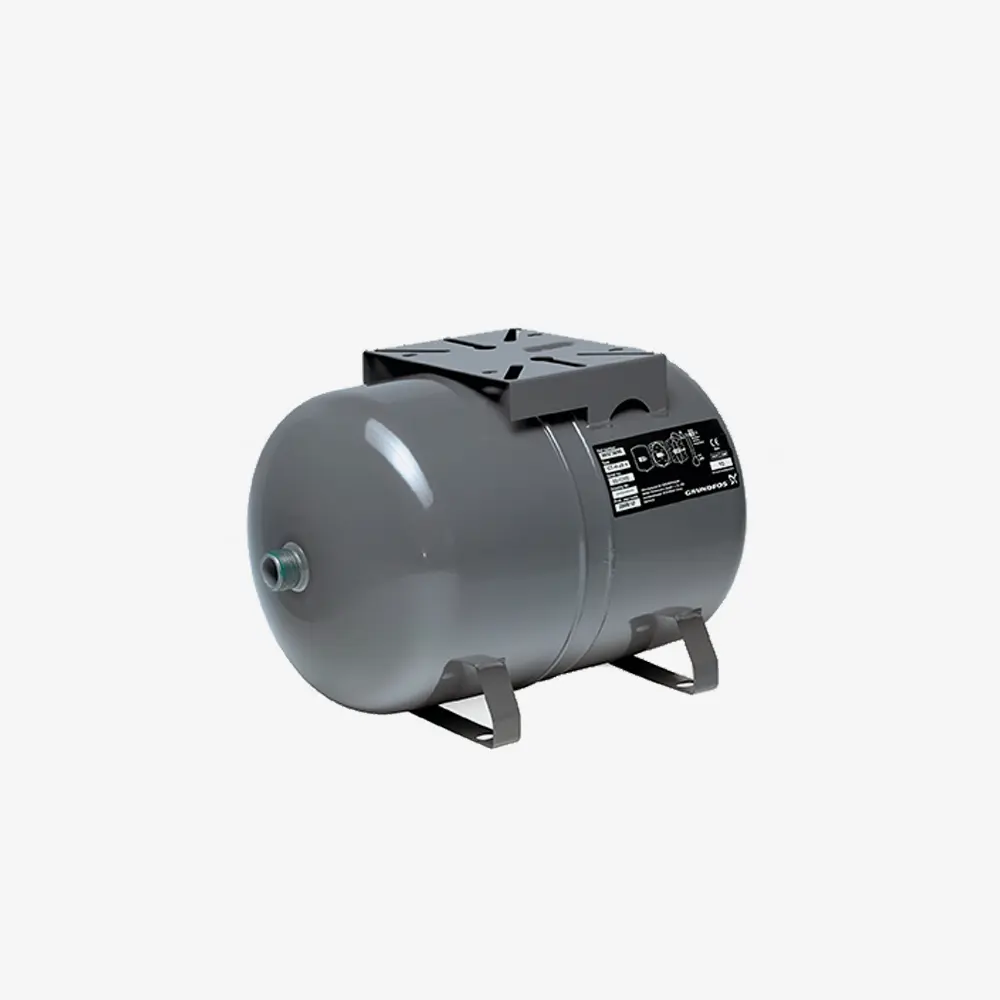
Pressure Vessels
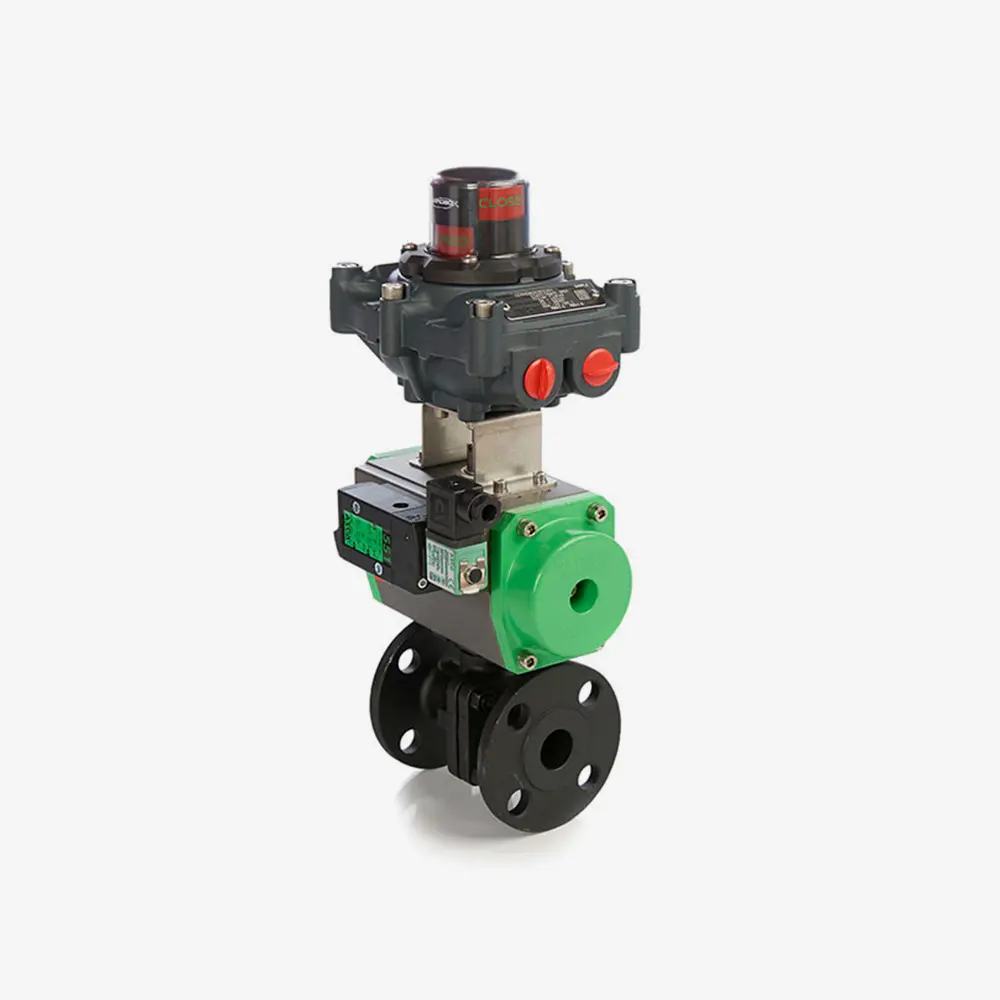
Valves

Related Case Studies And Articles
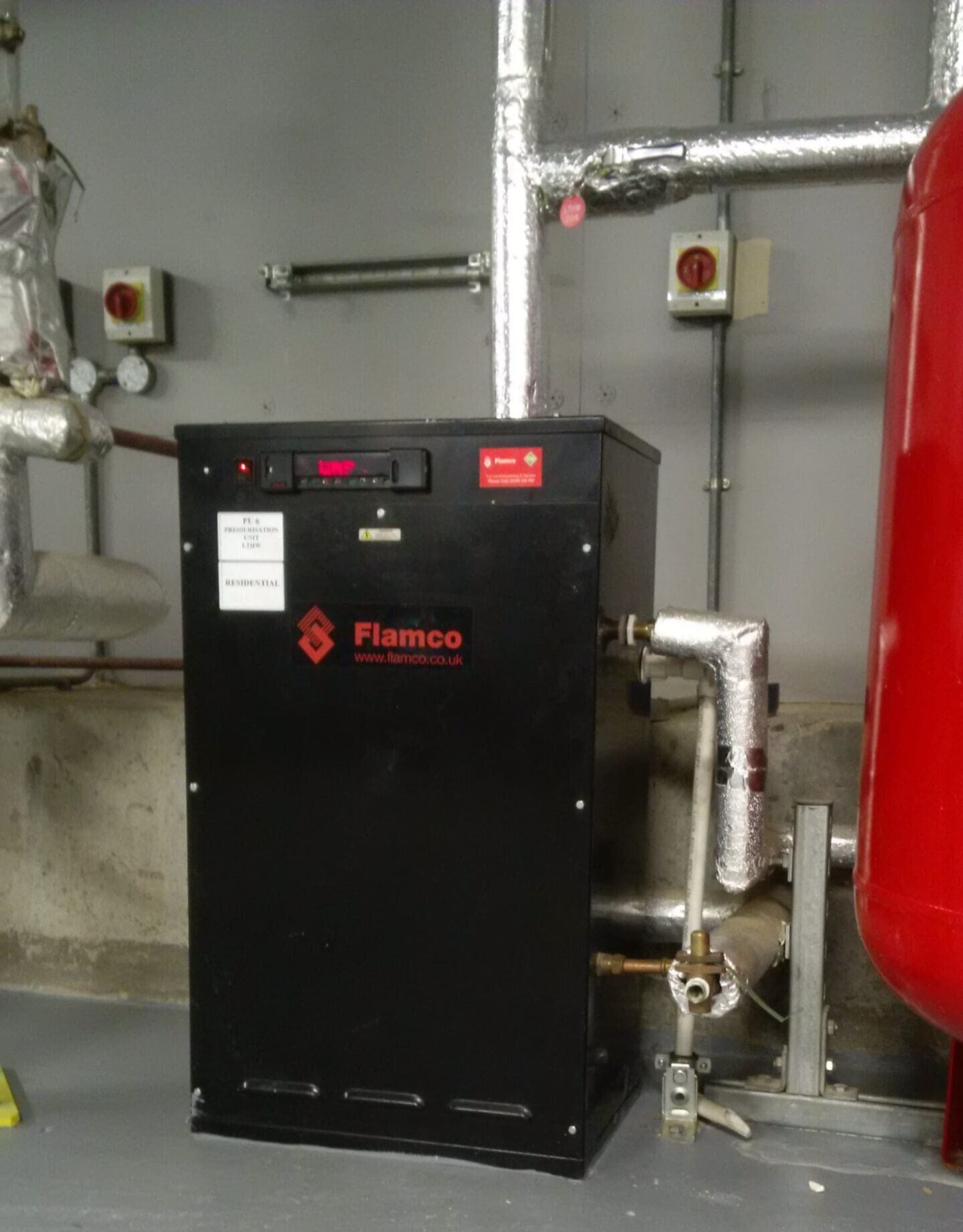
Pressurisation Sets – Traditional ‘open’ systems vs pressurisation units
Read more
Pressurisation Sets – Traditional ‘open’ systems vs pressurisation units
Read more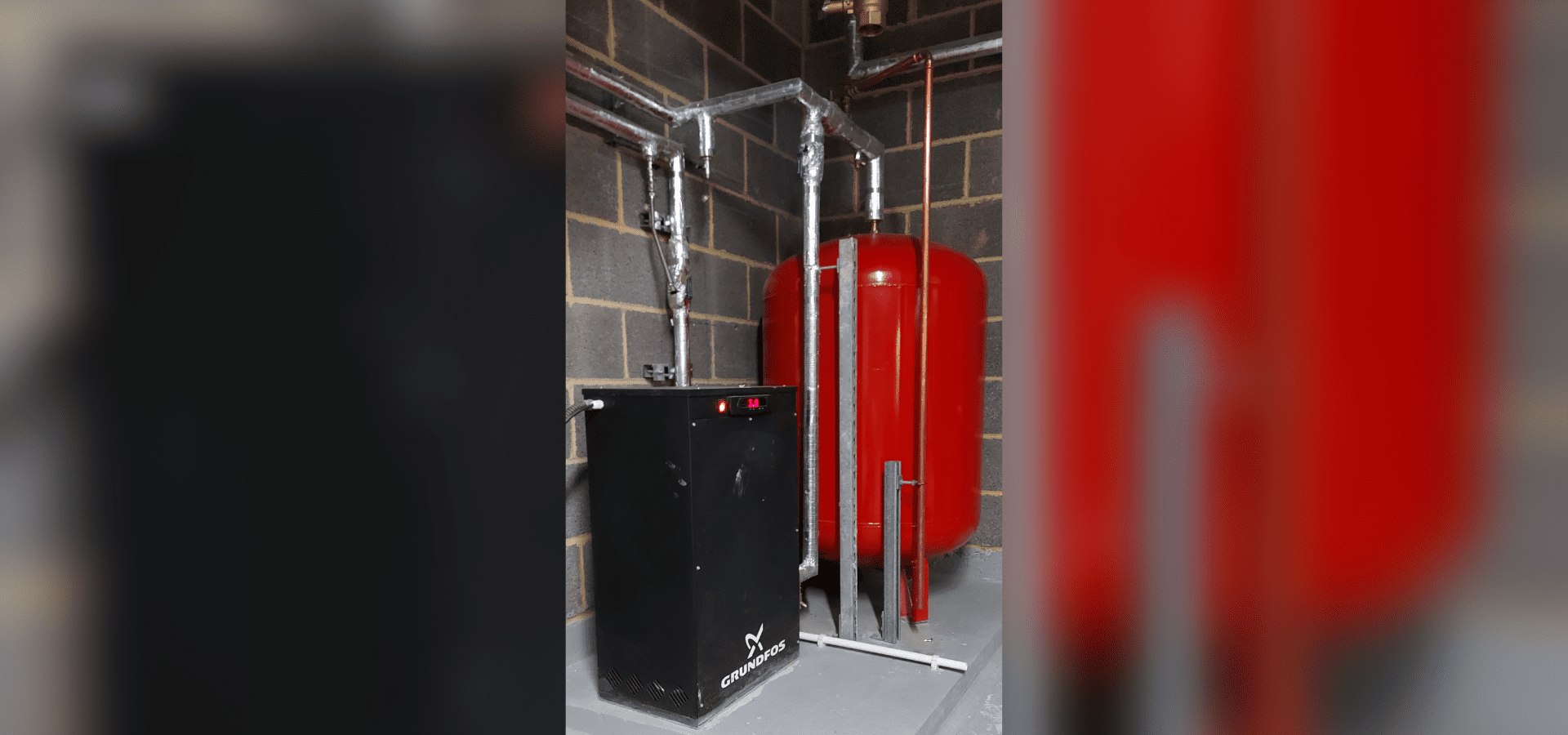
What Are Pressurisation Sets Used For?
Read more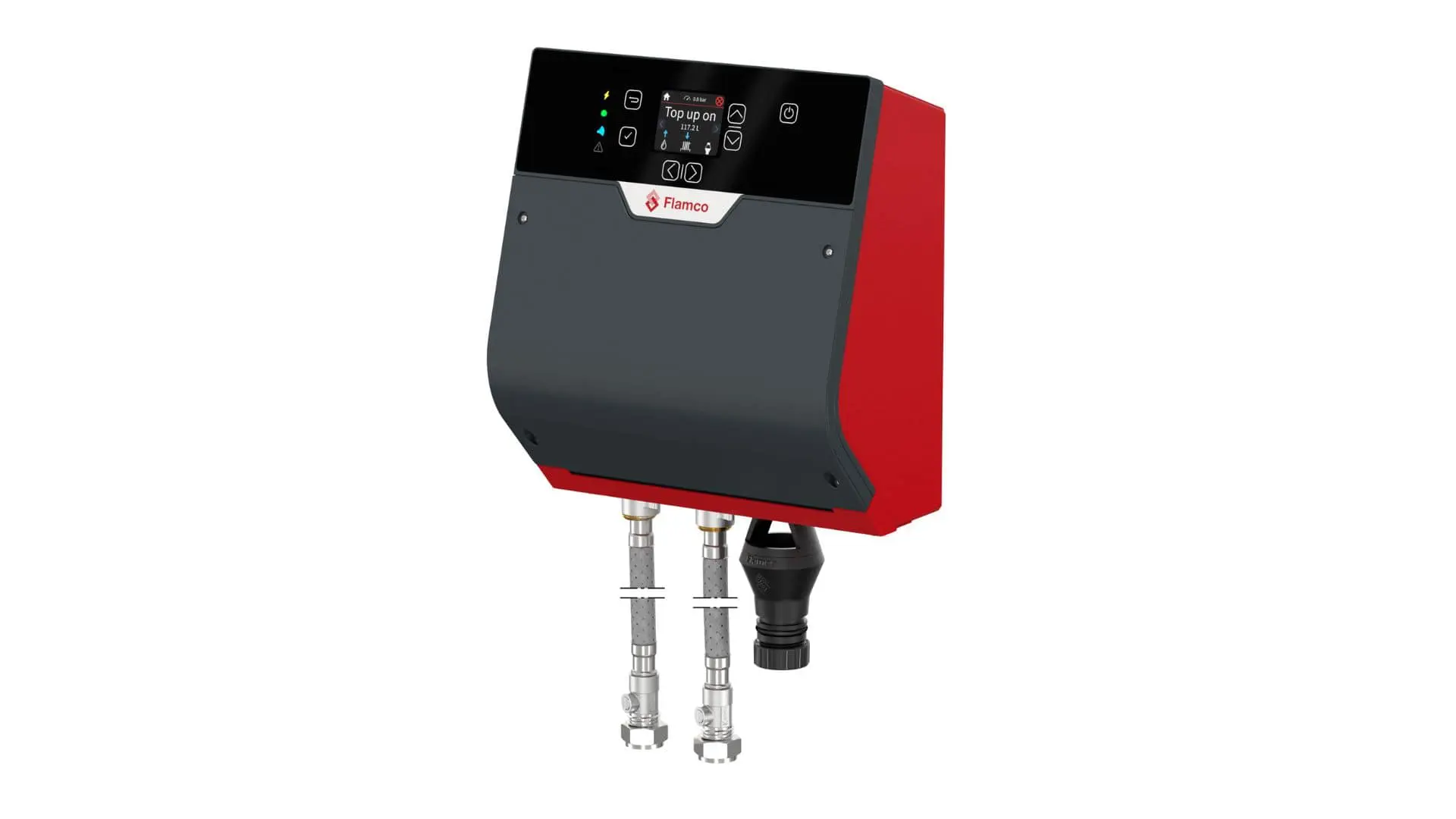
What’s The Difference Between Floor Standing And Wall Mounted Pressurisation Units?
Read more
Hospital Pressurisation Set Replaced to Solve Persistent Issues
Read more
Flooring Manufacturer had Insurance-Condemned Fill and Spill System
Read more
Pressurisation Set End Of Life Upgrade For A University Building
Read more